
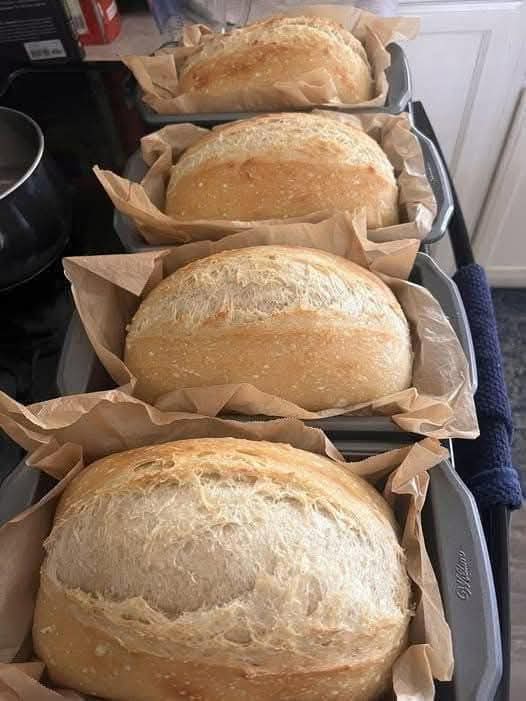
(No Eggs, No Butter): A Soft, Foolproof Homemade Classic
There is something undeniably comforting about baking your own bread at home. The warmth of the oven, the simple ingredients coming together, and that unmistakable aroma filling the kitchen create an experience that feels both nostalgic and deeply satisfying. Yet for many people, traditional bread-making can feel intimidating. Kneading, proofing, and achieving the right texture often seem like complicated steps reserved for experienced bakers. That is exactly why this no-knead sandwich bread recipe stands out as a true kitchen essential.
This recipe strips away all the unnecessary complexity while still delivering a loaf that is incredibly soft, fluffy, and perfect for everyday use. It requires no eggs, no butter, and absolutely no kneading. With just a handful of pantry staples and a little patience, you can create a loaf that rivals anything you would find in a bakery. It is the kind of recipe that quickly becomes part of your weekly routine, not only because it is easy, but because the results are consistently excellent.
What makes this bread especially appealing is its versatility. It is perfect for sandwiches, toast, or simply enjoying with a bit of jam or olive oil. The texture is light and tender, yet sturdy enough to hold fillings without falling apart. Whether you are making a quick breakfast, packing lunch, or serving dinner, this bread fits seamlessly into your daily meals.
Why No-Knead Bread Works
The idea of making bread without kneading might seem surprising at first, but it is rooted in a simple scientific principle. Traditional kneading develops gluten, the protein structure that gives bread its elasticity and chew. In this recipe, that process happens naturally over time thanks to the high moisture content of the dough and the fermentation process.
When the dough rests and rises, the gluten strands slowly form on their own. This means you can skip the physical effort of kneading entirely, yet still achieve a soft and structured loaf. The result is a dough that is slightly sticky and loose at first, but transforms beautifully as it rises.
This method is particularly forgiving, making it ideal for beginners or anyone who wants a reliable bread recipe without the stress. It also allows for a more relaxed baking experience, where time does most of the work for you.
Ingredients and Their Roles
Every ingredient in this recipe plays an important role, even though the list is short and simple. Understanding what each component does can help you feel more confident and even experiment with variations later on.
All-purpose flour forms the base of the bread. It provides the structure and determines the overall texture. Using a standard all-purpose flour keeps the bread soft and light, making it ideal for sandwiches.
Warm water is essential for activating the yeast and hydrating the flour. The temperature of the water matters more than you might think. It should feel warm to the touch but not hot, as excessive heat can damage the yeast.
Sugar serves as food for the yeast, helping it activate and grow. It also adds a subtle hint of sweetness that enhances the overall flavor of the bread without making it taste sugary.
Salt balances the flavor and strengthens the dough. It also helps control the fermentation process, ensuring the bread rises at a steady pace rather than too quickly.
Instant yeast is what gives the bread its rise. It is convenient because it can be mixed directly into the dough without needing to be dissolved separately, although allowing it to sit briefly in warm water can help confirm that it is active.
Step-by-Step Process
The process of making this bread is straightforward, but each step plays an important role in achieving the final texture and flavor.
You begin by combining the warm water, sugar, and yeast in a large bowl. After a few minutes, the mixture should become slightly foamy, indicating that the yeast is active. This step is a simple but effective way to ensure your bread will rise properly.
Next, the flour and salt are added. The dough is mixed just until everything is combined and no dry patches remain. It will look rough and sticky, which is exactly what you want. Unlike traditional doughs, there is no need to knead or smooth it out.
The first rise is where the transformation begins. Covered and left in a warm place, the dough will double in size and develop a light, airy structure. This usually takes about one to two hours, depending on the temperature of your kitchen.
After the initial rise, the dough is gently shaped. This step requires a light touch. Folding the dough over itself a few times helps create structure without removing too much of the air that has formed during fermentation. The dough is then placed into a greased loaf pan.
The second rise allows the dough to expand further and take on its final shape. As it rises above the edge of the pan, you can begin to see the familiar form of a sandwich loaf.
Baking is where everything comes together. The heat of the oven causes the dough to rise one last time before setting into a soft, golden loaf. The crust becomes lightly crisp while the inside remains tender and fluffy.
Allowing the bread to cool before slicing is an important final step. Cutting into it too soon can cause the texture to become gummy, as the interior is still setting. Once cooled, the bread slices cleanly and reveals its soft crumb.
Texture and Flavor
One of the most impressive aspects of this bread is its texture. Despite the simplicity of the ingredients, the loaf is remarkably soft and airy. The crumb is even and light, making it perfect for sandwiches or toast.
The flavor is mild and slightly sweet, which makes it incredibly versatile. It pairs well with both savory and sweet toppings, from deli meats and cheeses to jams and spreads. Because it does not contain butter or eggs, the taste is clean and simple, allowing other flavors to shine.
Tips for Success
While this recipe is very forgiving, a few simple tips can help ensure the best possible results every time.
Pay close attention to the temperature of your water. If it is too hot, it can kill the yeast. If it is too cool, the yeast may not activate properly. Aim for a comfortably warm temperature.
Give the dough enough time to rise. Rushing this step can result in a denser loaf. If your kitchen is cool, consider placing the dough in a slightly warm oven or near a warm spot to help it rise.
Handle the dough gently when shaping. The air bubbles created during fermentation are what give the bread its soft texture, so preserving them is key.
Use the correct pan size. A standard loaf pan works best for achieving the classic sandwich bread shape and even baking.
Variations and Customizations
Once you are comfortable with the basic recipe, there are many ways to customize it to suit your preferences.
Adding a small amount of olive oil can create a slightly richer texture without compromising the simplicity of the recipe. Incorporating herbs or spices such as garlic powder or dried oregano can add a savory twist.
For a heartier loaf, you can replace a portion of the all-purpose flour with whole wheat flour. This will add a slightly nutty flavor and a denser texture while still maintaining softness.
Seeds such as sesame, sunflower, or flax can be sprinkled on top or mixed into the dough for added texture and nutritional value.
Storage and Freshness
Homemade bread does not contain preservatives, which means it is best enjoyed fresh. Stored in an airtight container or bag at room temperature, it will stay soft for up to three days.
For longer storage, slicing the bread and freezing it is a great option. Individual slices can be toasted directly from the freezer, making it convenient for quick meals.
Why This Recipe Becomes a Favorite
There is a reason this no-knead sandwich bread quickly becomes a go-to recipe for so many people. It combines ease, reliability, and excellent results in a way that few recipes can match. It removes the barriers that often discourage people from baking bread and replaces them with a process that feels approachable and rewarding.
It is also a recipe that invites sharing. Whether you are making it for your family, friends, or coworkers, it tends to draw attention and requests for more. The combination of soft texture and homemade flavor makes it hard to resist.
Final Thoughts
This no-knead sandwich bread proves that great baking does not have to be complicated. With just a few ingredients and a simple process, you can create a loaf that is soft, flavorful, and incredibly versatile. It is the kind of recipe that fits effortlessly into everyday life, whether you are an experienced baker or just getting started.
Once you make it, you may find yourself returning to it again and again. Not just because it is easy, but because it delivers exactly what you want every time: a dependable, delicious loaf of homemade bread that feels just as good to make as it does to eat.